
On Anthems…
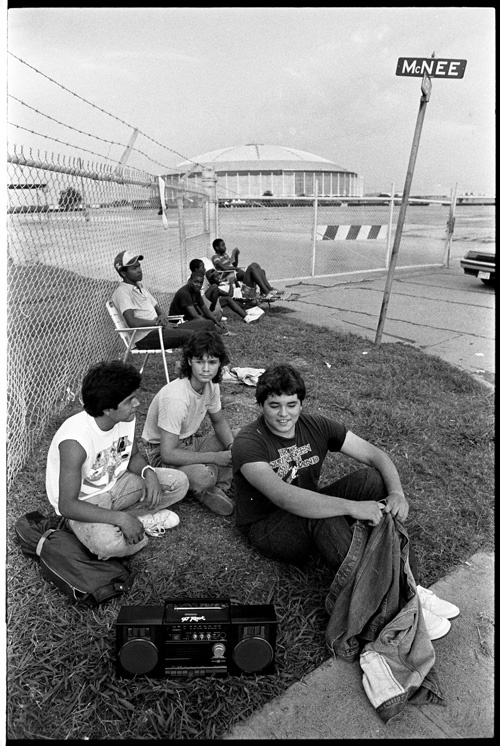
(Above image shows people camping out at the Astrodome in 1985 for Bruce Springsteen tickets. Although I’m not in the photo, I spent a very uncomfortable night in the Astrodome parking lot on August 28, 1985, waiting for a wristband that would allow me to purchase a ticket…)
A certain young man with a vibrant red beard and a viral song has me doing some reminiscing. When I first heard *the* song that everyone’s talking about, I wondered why it sounded so familiar to me. Then I remembered. The song was The River, the voice was Bruce Springsteen’s, and the year was 1980. It’s been almost 45 years, but that grinding voice telling the story of Every Man has been lodged permanently in my brain, waiting for this moment to shake it loose.
I recently found this concert footage from 1980, and if you have 7 minutes to spare, give it a listen and maybe you’ll see what I mean. There’s anger here, and pain.
Springsteen’s career was in full swing by 1980, but that was the year that I first heard him. I was young, in my first year of high school, and I knew that there was a world out there, but I didn’t have much of an idea what was going on in it until Bruce told me about what average people were going through. Through his music I learned that times were tough for a lot of people.
Technically though, it was through his fans that I learned this. His songs resonated with people, and everyone had a story to tell. Waiting in line to buy tickets, to get into shows, people talked. Each person had a favorite song, and a reason why it was important. I met a lot of interesting people.
Springsteen’s unique ability at that time was to tell a story, and whether it was a parlor trick or not didn’t matter – listening to him, hearing the agonized voice singing about crime, the economy, and dreams that were dying – people believed him. We believed that if he hadn’t lived out these experiences himself, then he knew people who did. His songs were never cheerful; rather, they struck chords deep inside of you. I think that the appeal of his lyrics was that hard times are universal. Everyone could understand what he was singing about.
From the Nebraska album, 1982, and the song Atlantic City:
“Well, I got a job and tried to put my money away
But I got debts that no honest man can pay
So I drew what I had from the Central Trust
And I bought us two tickets on that Coast City bus…”
By the time I hit college, “the boss” was in full stride, and in 1984 he released the album Born in the USA. It took me a few weeks to realize that the title track was actually a protest song cleverly disguised as a pop song (as so many good protest songs are). The Vietnam War, chronic unemployment, and PTSD are all here:
Born down in a dead man’s town
The first kick I took was when I hit the ground
You end up like a dog that’s been beat too much
‘Til you spend half your life just coverin’ up
Born in the U.S.A
I was born in the U.S.A
I was born in the U.S.A
Born in the U.S.A
Got in a little hometown jam
So they put a rifle in my hand
Sent me off to a foreign land
To go and kill the yellow man
Born in the U.S.A
I was born in the U.S.A
I was born in the U.S.A
I was born in the U.S.A
Come back home to the refinery
Hiring man says, “Son if it was up to me”
Went down to see my V.A. man
He said, “Son, don’t you understand”
I had a brother at Khe Sanh
Fighting off the Viet Cong
They’re still there, he’s all gone
He had a woman he loved in Saigon
I got a picture of him in her arms now
Down in the shadow of the penitentiary
Out by the gas fires of the refinery
I’m ten years burning down the road
Nowhere to run ain’t got nowhere to go
Born in the U.S.A…
After this album, I think perhaps Springsteen lost his way. Fame and fortune may have clouded his ability to relate to ordinary people. For me, his music after 1984 failed to evoke the same raw emotions as his earlier music did. He sang about the same things, but the problem was that after his net worth reached hundreds of millions of dollars, and his concert tickets became unaffordable, I could no longer believe him when he sang about ordinary people going through hard times.
To wrap up, I believe that a generation of “average” people have been left without a musical guide to navigate the darker side of life. And without that, we’ve felt alone.
I’ve spent an embarrassing amount of time listening to “reaction” videos on YouTube of Oliver Anthony’s viral song, trying to figure out why it resonates so much with people. Nearly every reaction to the song was the same – “finally, someone gets what we’re going through”. It’s not a perfect song, but it’s got that anthem potential. Time will tell.
A Migration Tale
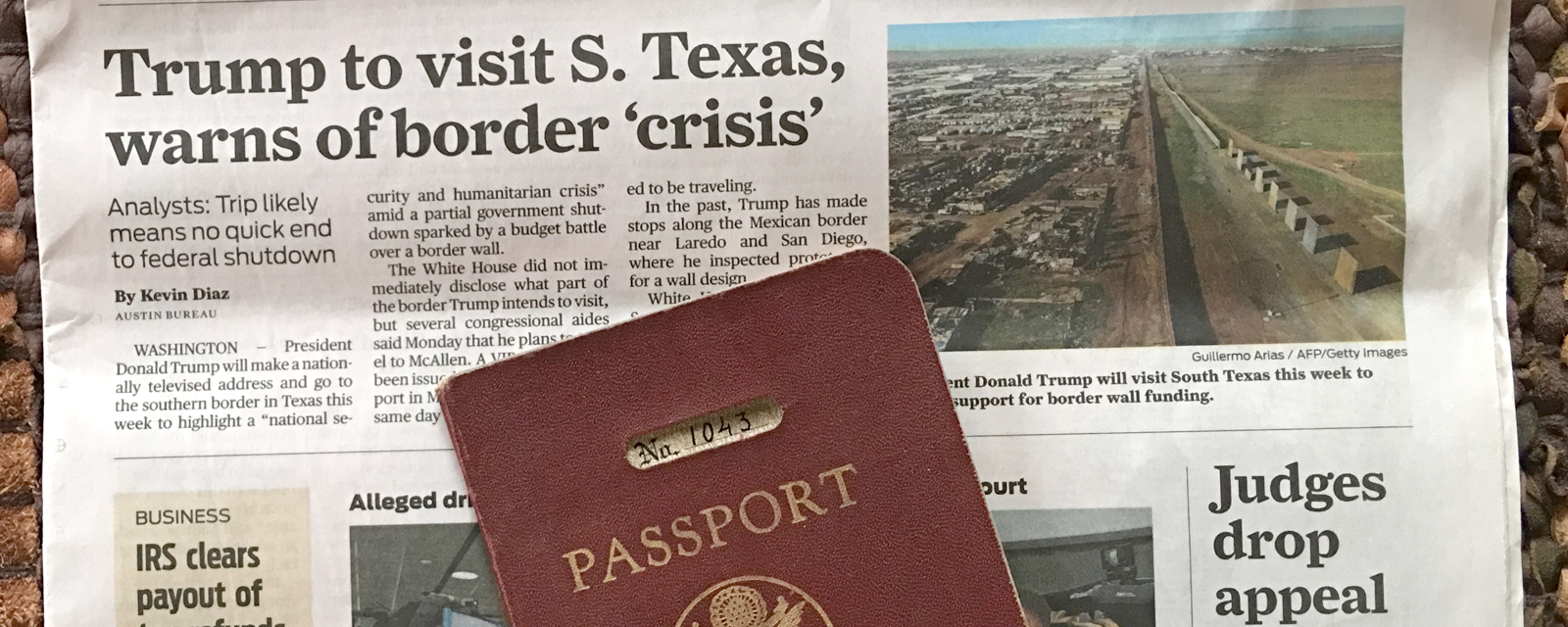
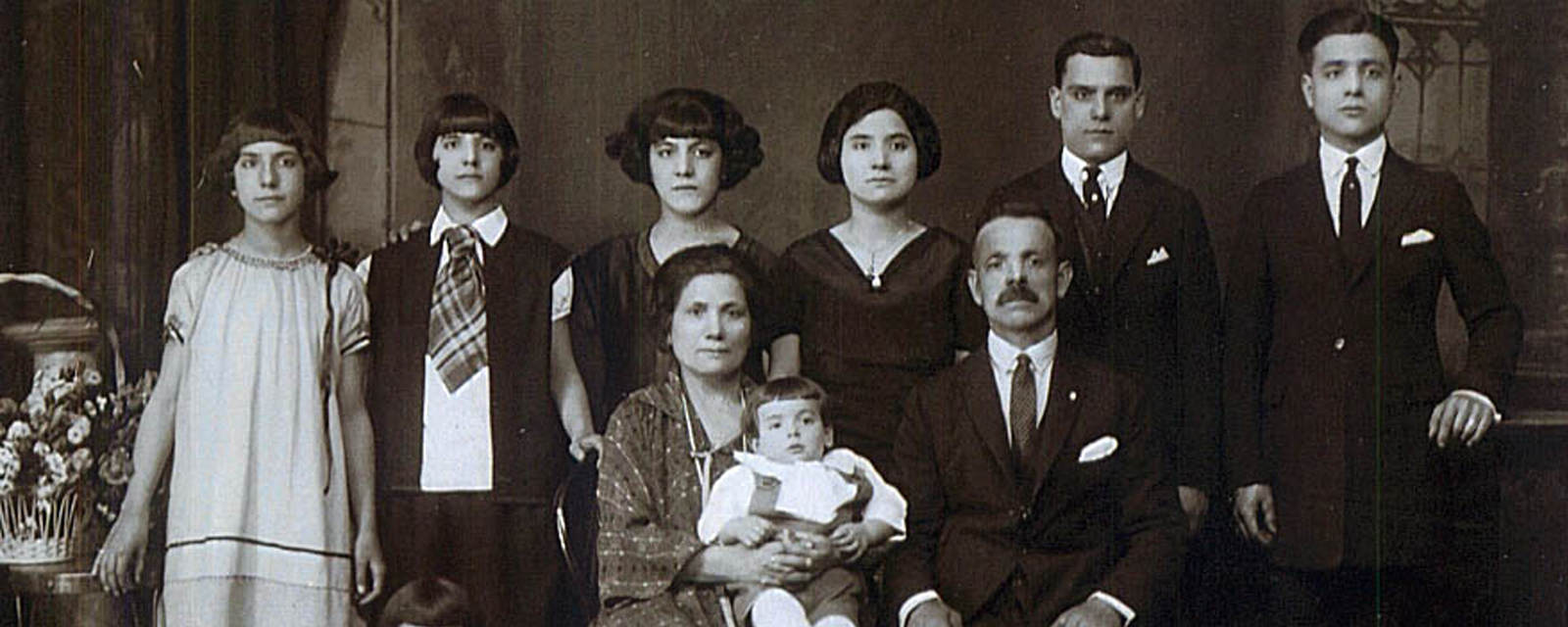
What with the recent immigration-related government shutdown, and the ongoing debate about the infamous “wall”, I’ve been giving quite a lot of thought lately to “human migration” (as opposed to the more specific “immigration”). I give you my vow up front that this is not a politically themed post, but a family story, and I hope that you find it as thrilling as I do when I consider the details. A lot of my family’s adventures are straight out of a Quentin Tarantino movie, but this particular story is more along the lines of the movie “Casablanca”. Read More


Meet Benoni Stebbins, Puritan Bad Boy
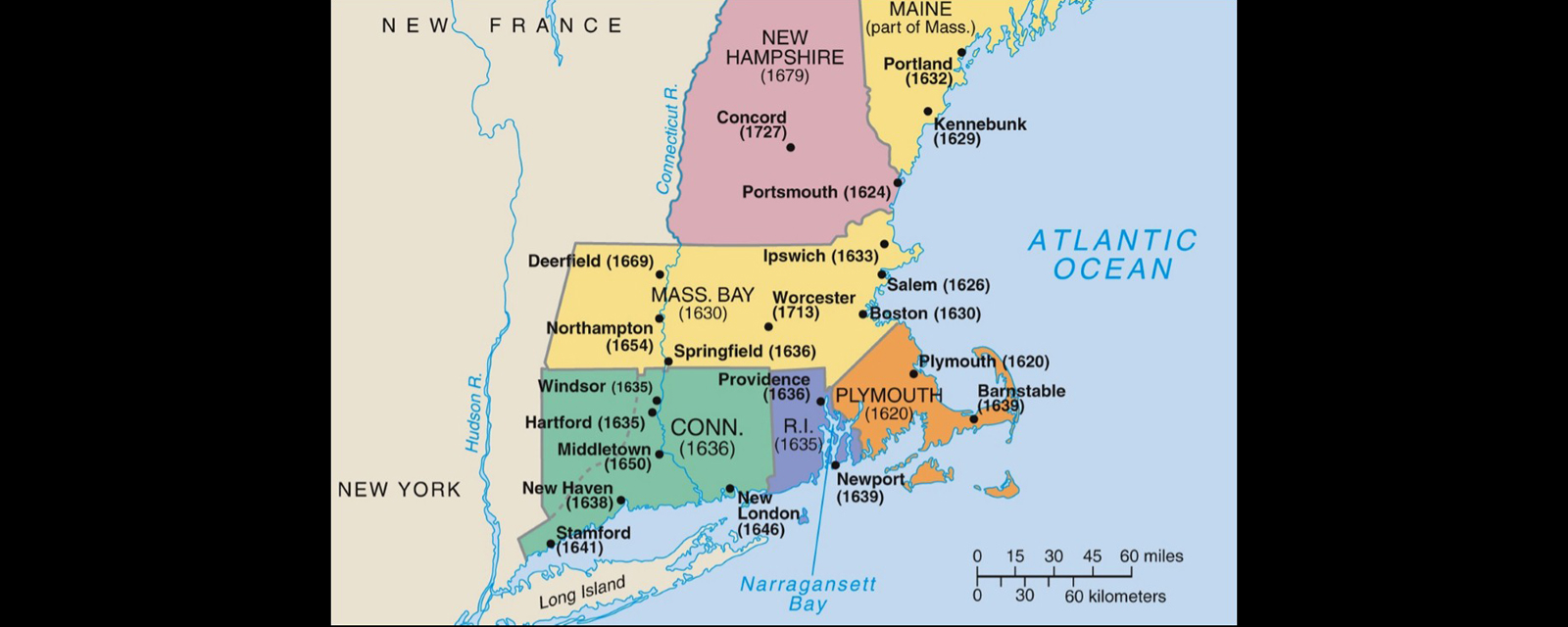
I first became intrigued by Benoni Stebbins when I read a story about his early life that someone had posted on Ancestry.com. But the more I read about Benoni and his life and times, the more I realized that he was just one small player in a fascinating, and much larger global conflict. When I first started researching his story, it seemed to me that if his life were a movie, it would be a lighthearted comedy adventure, starring a young Mel Gibson, or maybe a handsome and snarky Chris Pratt, as the lead character. But as I continued reading about him, I began to consider his story as more of a bloody-fight-to-the-death Quentin Tarantino film instead. Read More
Hannah Feake Bowne, Not Just Your Average Quaker

I’m continually fascinated by the characters in my family tree. When I look at some of the amazing things that they accomplished, I feel like my own life is pretty underwhelming. Take Hannah Feake and her husband John Bowne, for instance… Read More
Boots On the Ground: Pearl Harbor, December 7th, 1941
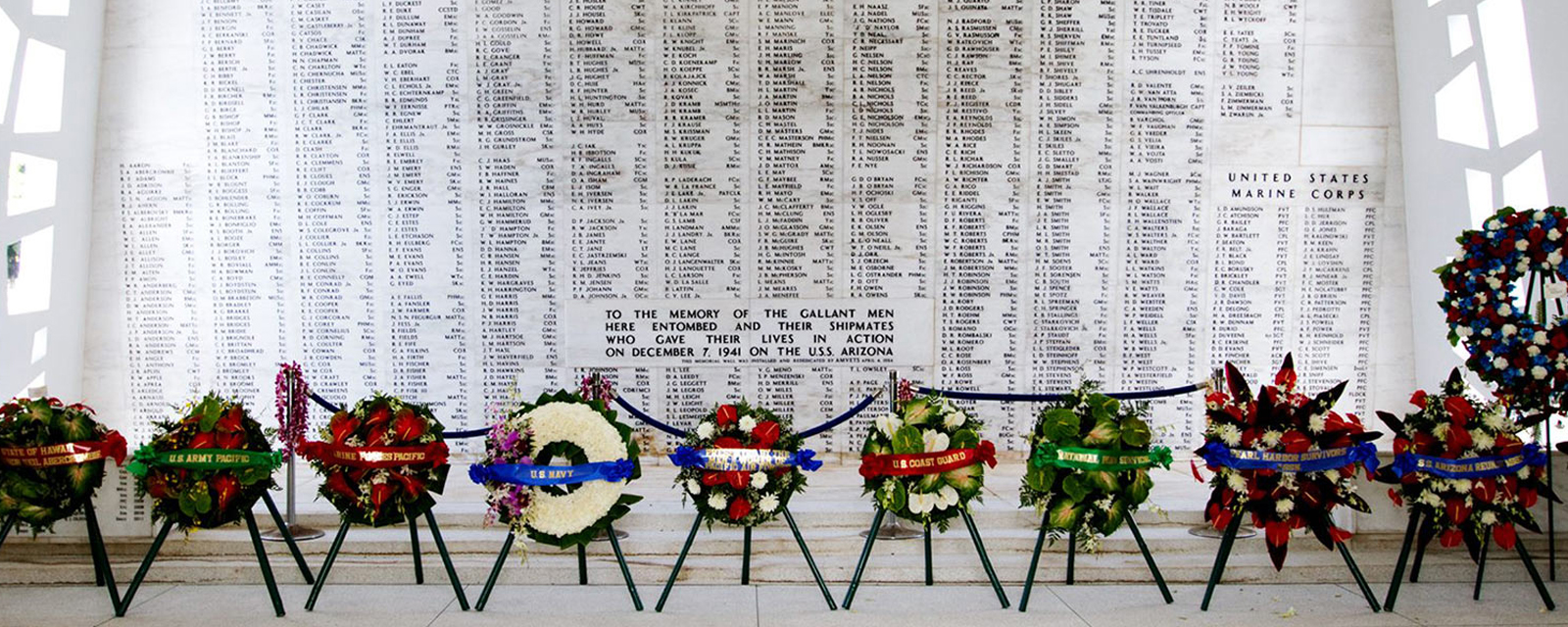
My dad’s recollection of the morning of December 7th, 1941.
One Soldier’s Story
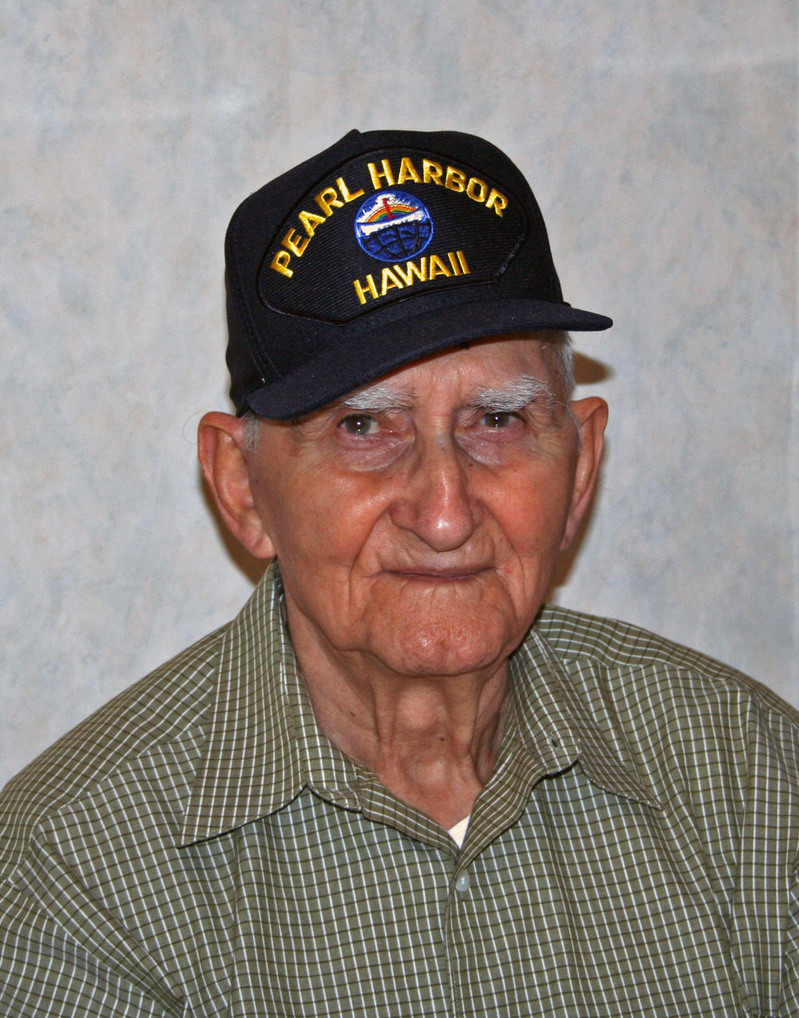
PFC Paul Alexakis officially enlisted in the United States army on April 7, 1941, in New York City. He accepted an assignment with the Field Artillery division in the Hawaiian Department of the army. Read More
Tales From the Neutral Ground; James Lyon (Part 2)

A recollection of the “Neutral Ground” as told by my fifth-great-grandfather James Lyon in 1848, during an interview with Judge James MacLean MacDonald. Read More
Tales From the Neutral Ground; James Lyon (Part 1)
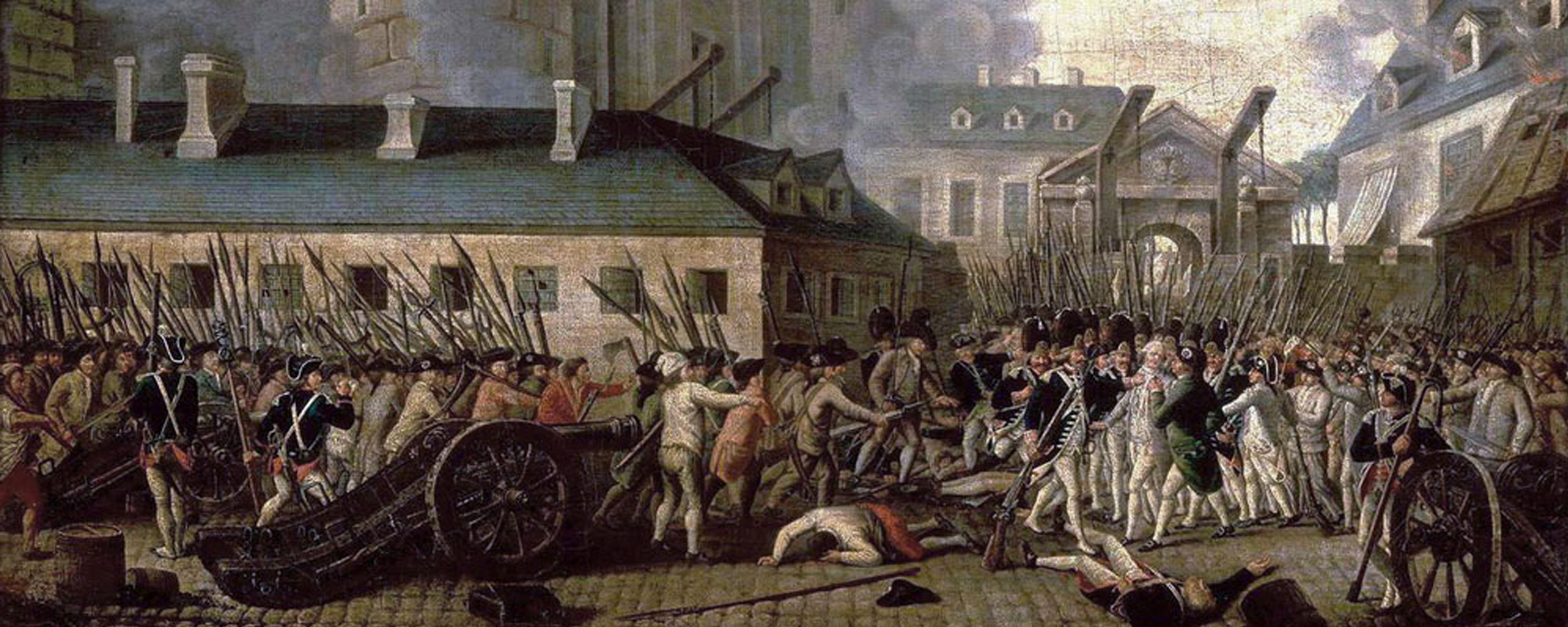
A recollection of the “Neutral Ground” as told by my fifth-great-grandfather James Lyon in 1848, during an interview with Judge James MacLean MacDonald. Read More
Tales From the Neutral Ground; Martha Banks
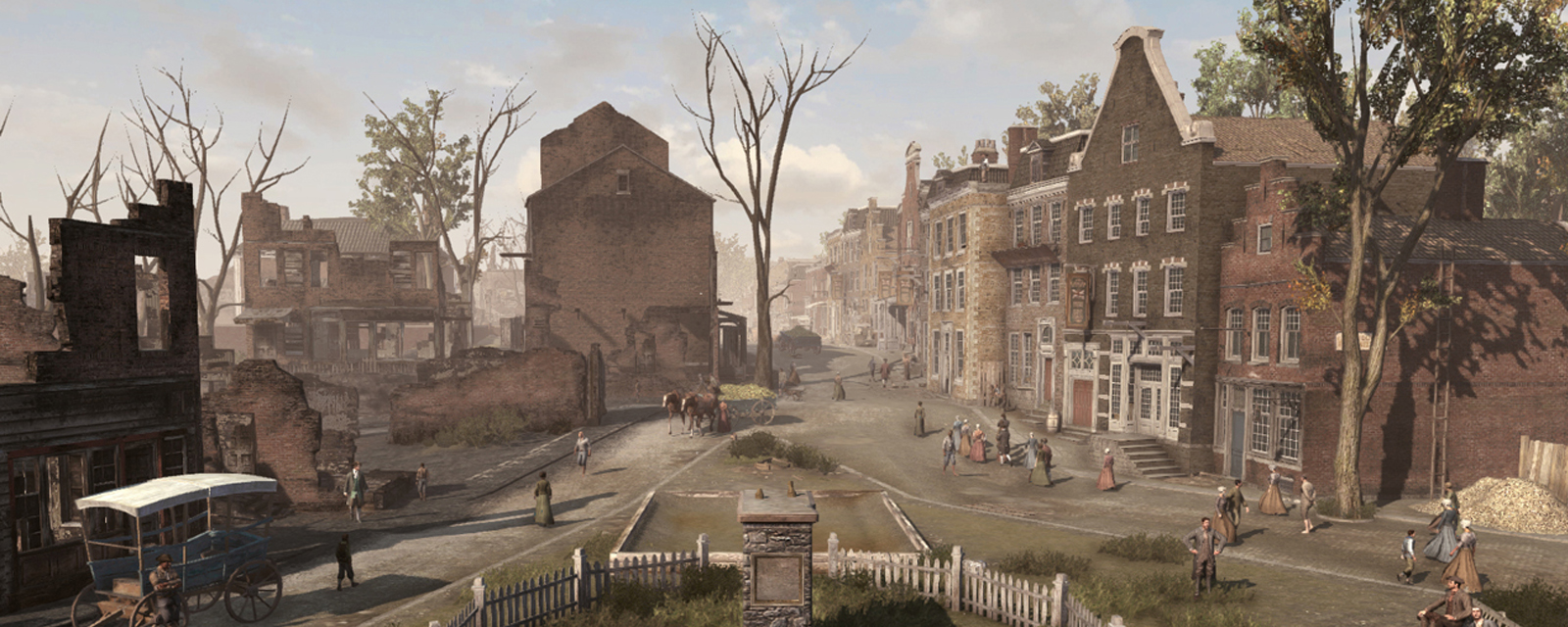
A recollection of the “Neutral Ground” as told by my fifth-great-grandmother Martha Banks in 1851, during an interview with Judge James MacLean MacDonald. Read More
 SK / GK Roots
Recent Comments